
Low-carbon Sintered Stone Becomes Top Green Building Material
Low carbon sintered stone ranks as the preferred decorative material for green construction projects across Europe, North America and Australia in 2026, and eco-friendly quartz stone achieves steady growth in global wholesale stone for construction order volume. EU, UK, Canada and Australia fully implement imported building material carbon emission restrictions this year, requiring complete carbon footprint certification before stone customs clearance. Natural marble and granite produce massive carbon emissions during mining, cutting and transportation, forcing natural stone importers to pay extra carbon tariffs. This policy shift pushes worldwide engineering buyers to transfer procurement focus to artificial building stone represented by low carbon sintered stone.
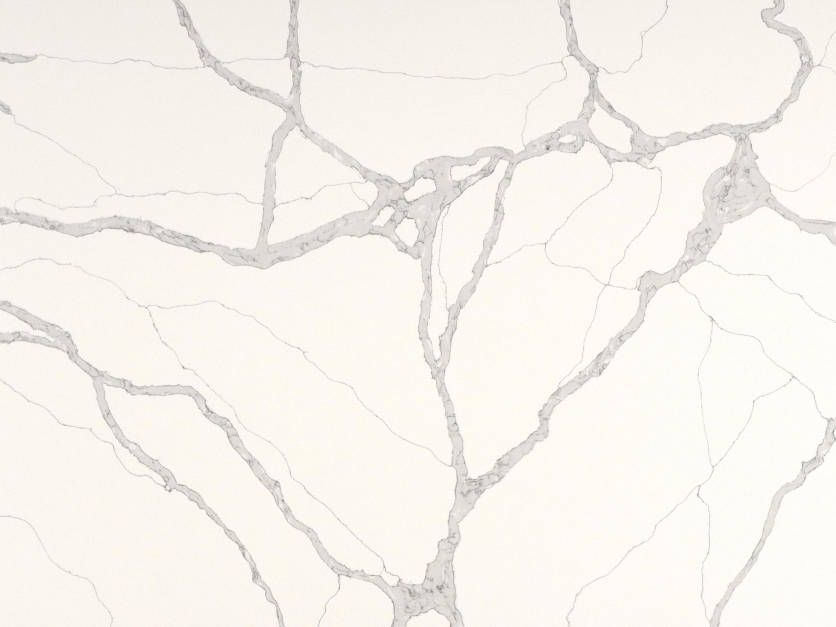
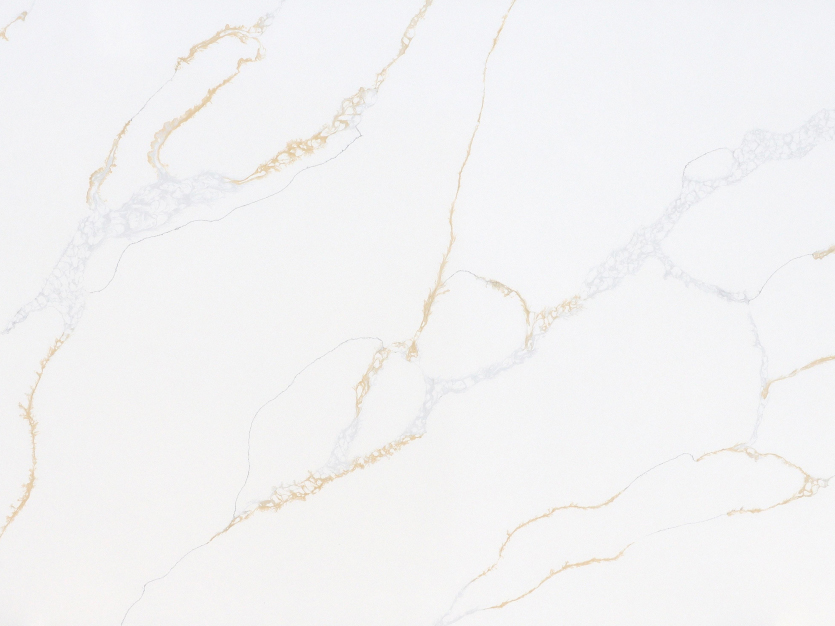
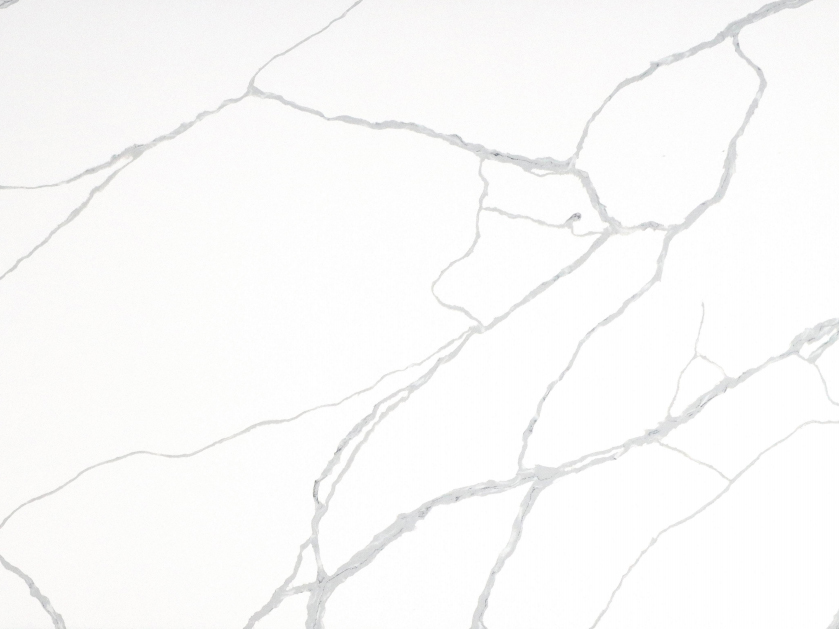
Low carbon sintered stone production drastically cuts resource waste and carbon emissions compared with natural stone mining. Low carbon sintered stone reuses industrial waste including stone powder, ceramic scraps and mineral tailings as raw materials, realizing resource recycling and slashing per-square-meter carbon output by over 60% against natural marble. Eco-friendly quartz stone adopted by MUSA STONE’s cooperative factories applies non-toxic low-formula resin, releasing no harmful volatile substances post-installation and fully complying with LEED, BREEAM and other international green building indoor testing standards. Large sintered stone panel supplied by MUSA STONE reduces wall and floor splicing gaps, lowering auxiliary adhesive consumption during construction and further decreasing overall project carbon footprint.
As China’s core artificial building stone export hub, Xiamen stone industrial cluster completed energy-saving production line upgrades for sintered stone and quartz stone from 2025. Over 80% local large-scale sintered stone slab factories finish energy-saving renovation and supply full carbon emission test reports, environmental certificates and green product qualification papers for all low carbon sintered stone batches. MUSA STONE sorts all certified eco-friendly quartz stone factory resources around Xiamen industrial zones and builds exclusive low-carbon product supply lists for global green engineering buyers.
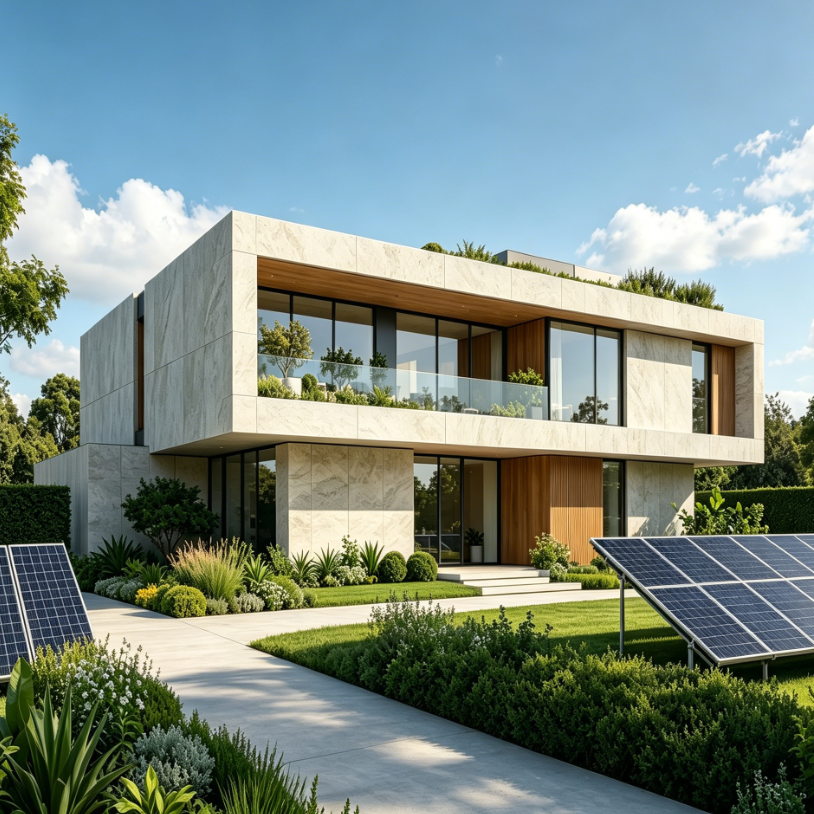
Global green commercial buildings, zero-carbon residential communities and energy-saving public works form the major demand group of low carbon sintered stone. Overseas architects and engineering designers mark artificial building stone as priority decorative materials on new project drawings, putting forward clear carbon emission and environmental certification standards. Low carbon sintered stone fits exterior walls, interior cladding, floor paving and countertop fabrication, while eco-friendly quartz stone mainly serves kitchen countertops, bathroom vanity tops and bar counter customization for green residential projects.
MUSA STONE QC teams carry out special environmental indicator inspections for every batch of low carbon sintered stone and eco-friendly quartz stone before shipment, verifying the authenticity of factory carbon emission test reports and recording all certification documents with photos and videos for buyers’ filing. MUSA STONE packaging teams adopt recyclable paper corner guards and degradable plastic film for all artificial building stone export packaging, matching global carbon-neutral project green environmental demands.
